Qohaito, Eritrea's Ancient Highland Plateau
High in the mountains south of Asmara, Qohaito is one of the most remarkable and least visited archaeological sites in all of Africa. For those willing to make the journey, it offers something increasingly rare in the modern world — an ancient civilisation laid out across a dramatic landscape, almost entirely undisturbed.
History & Architecture
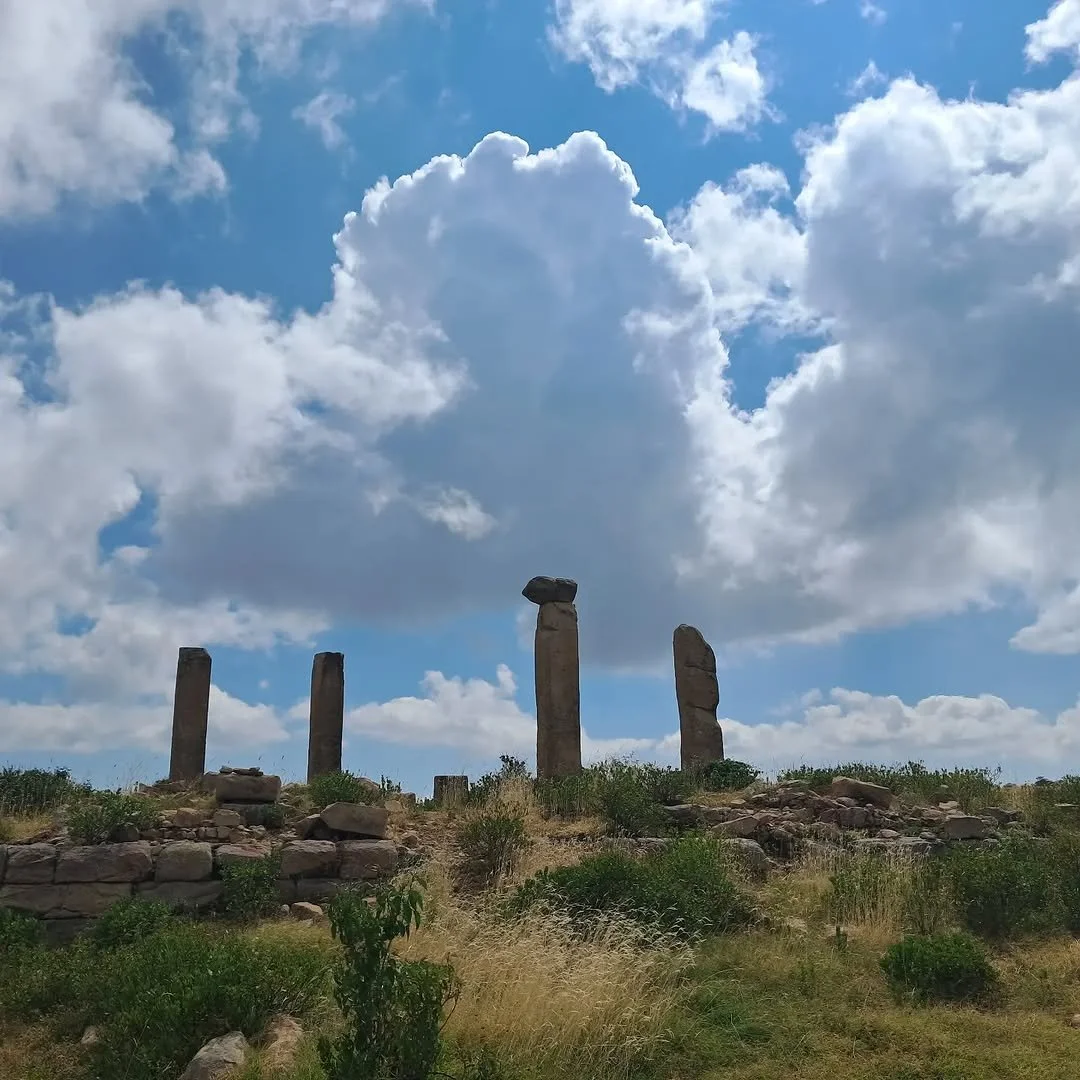
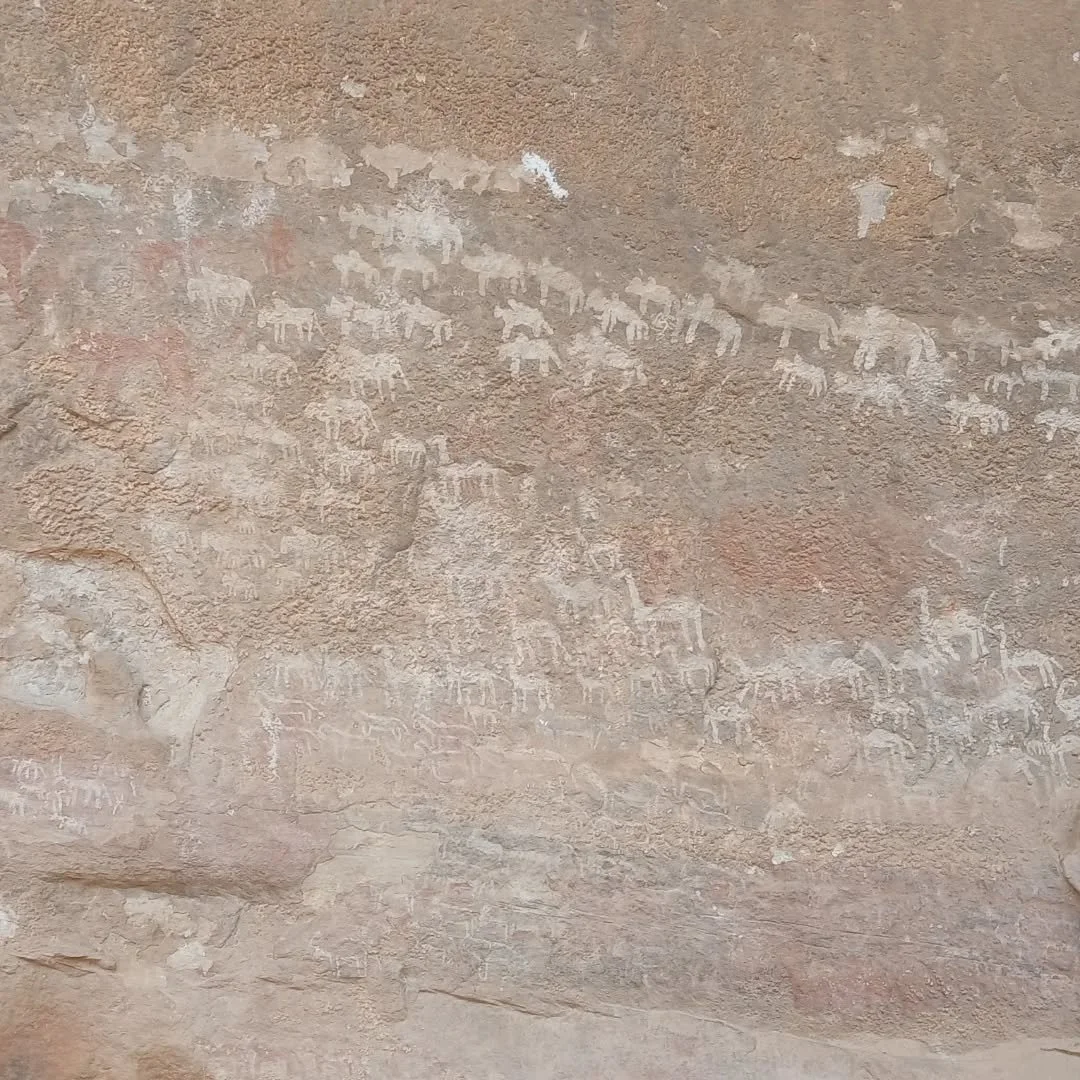
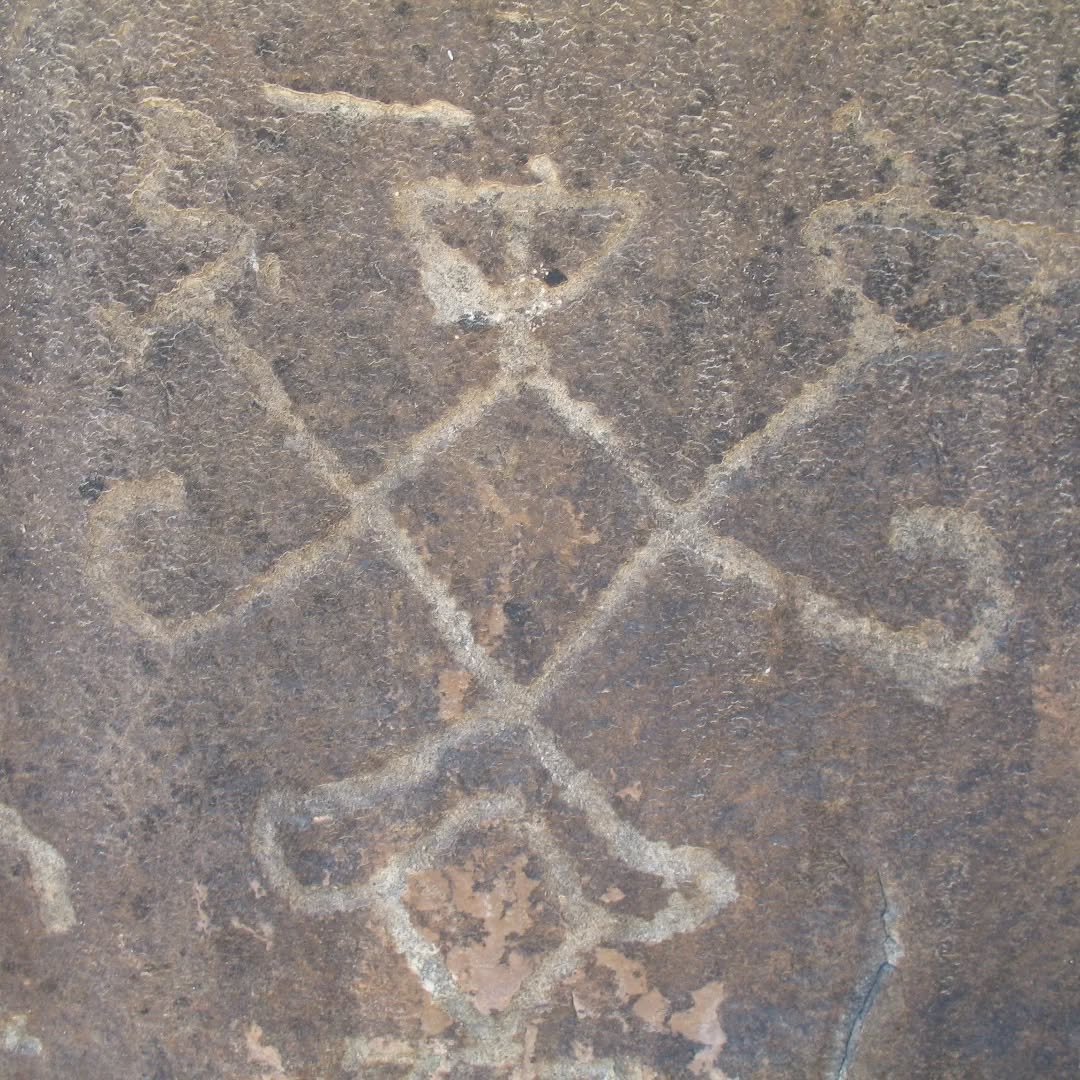
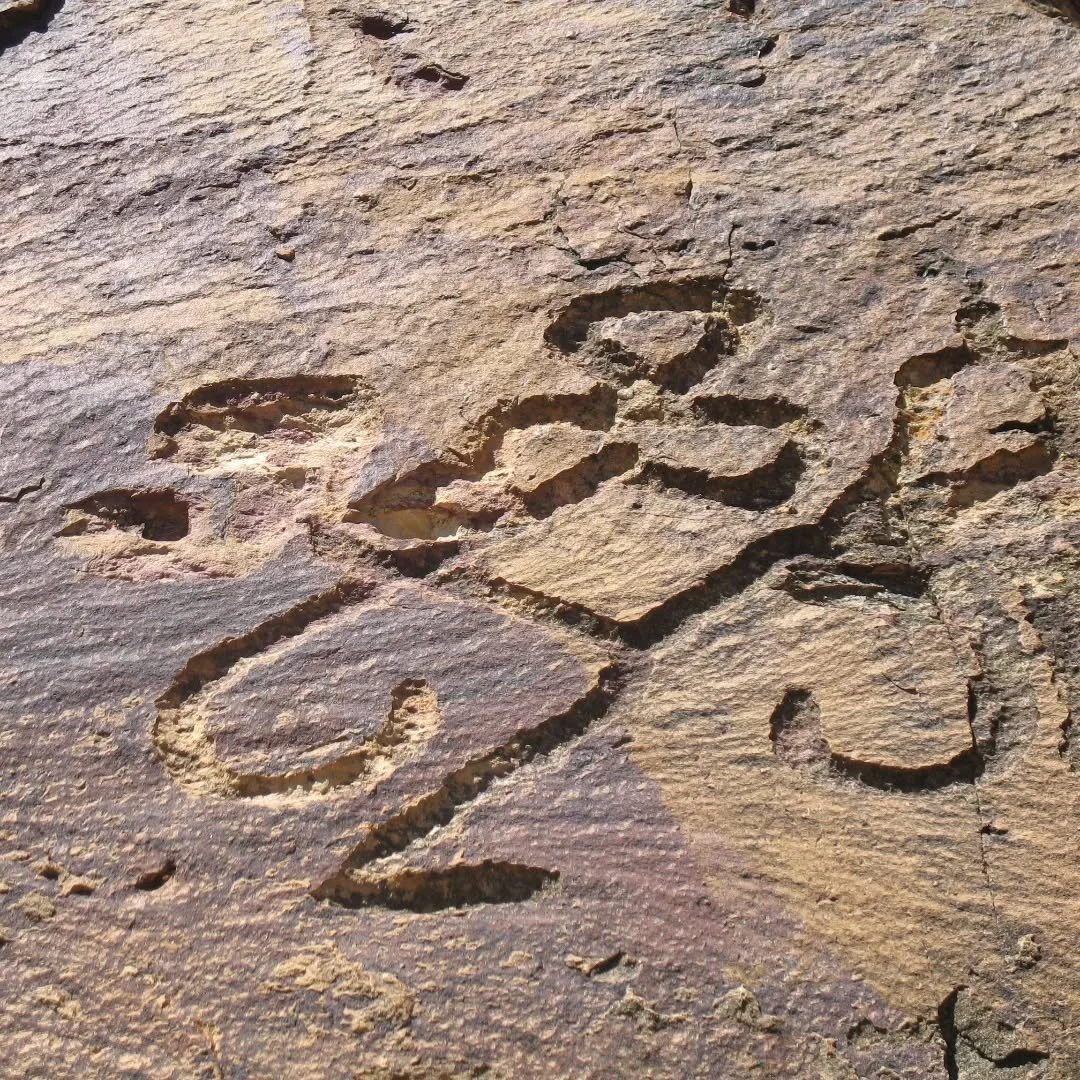
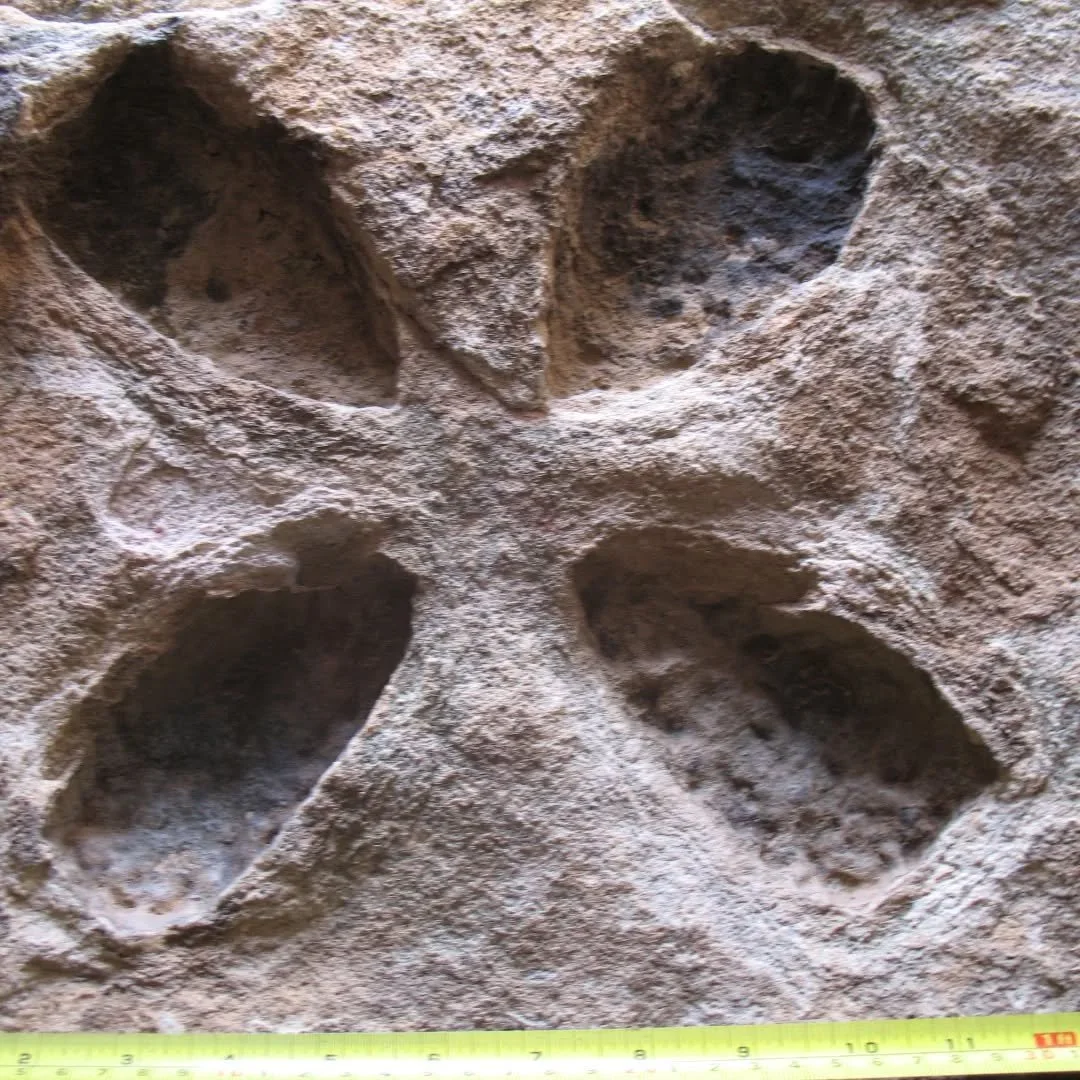
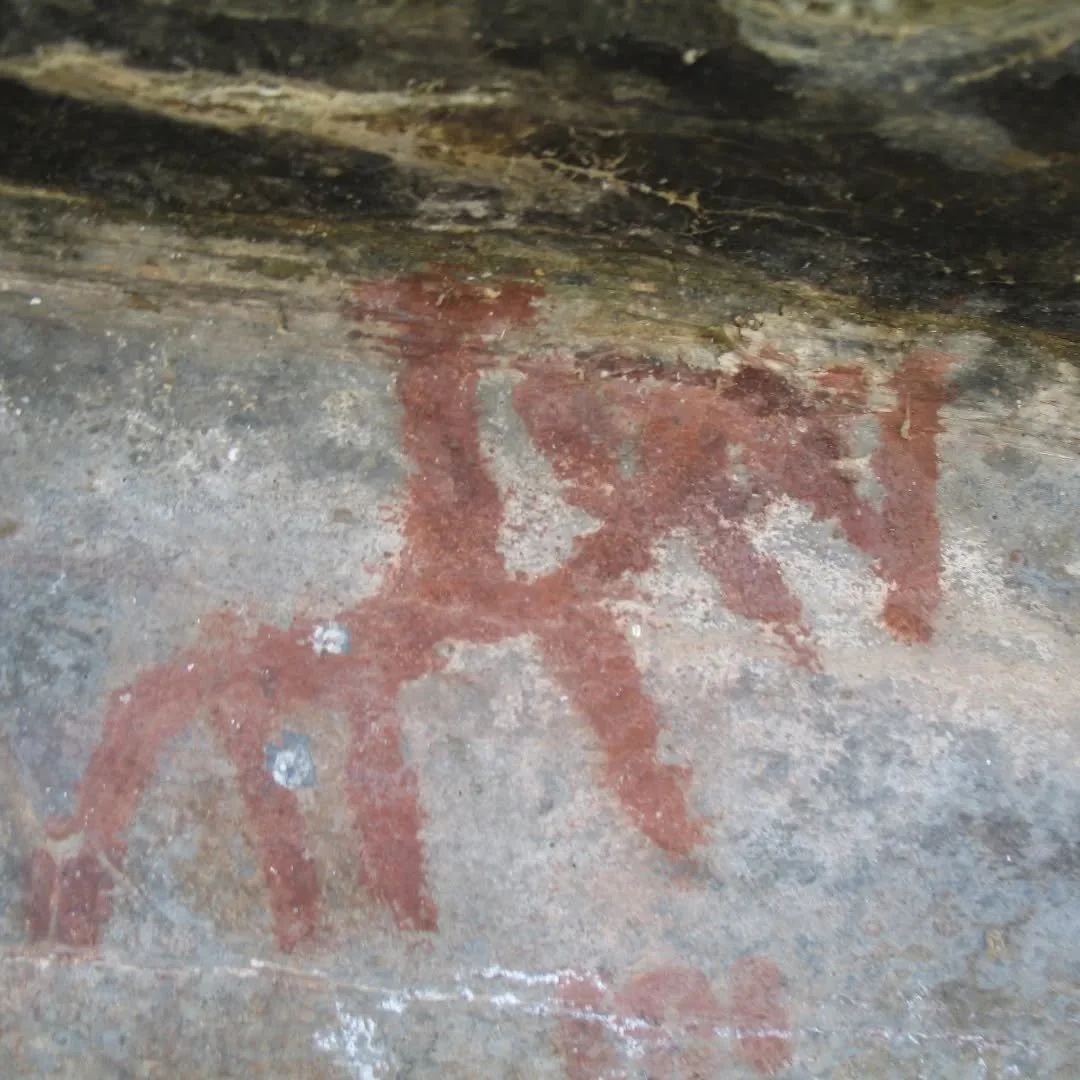
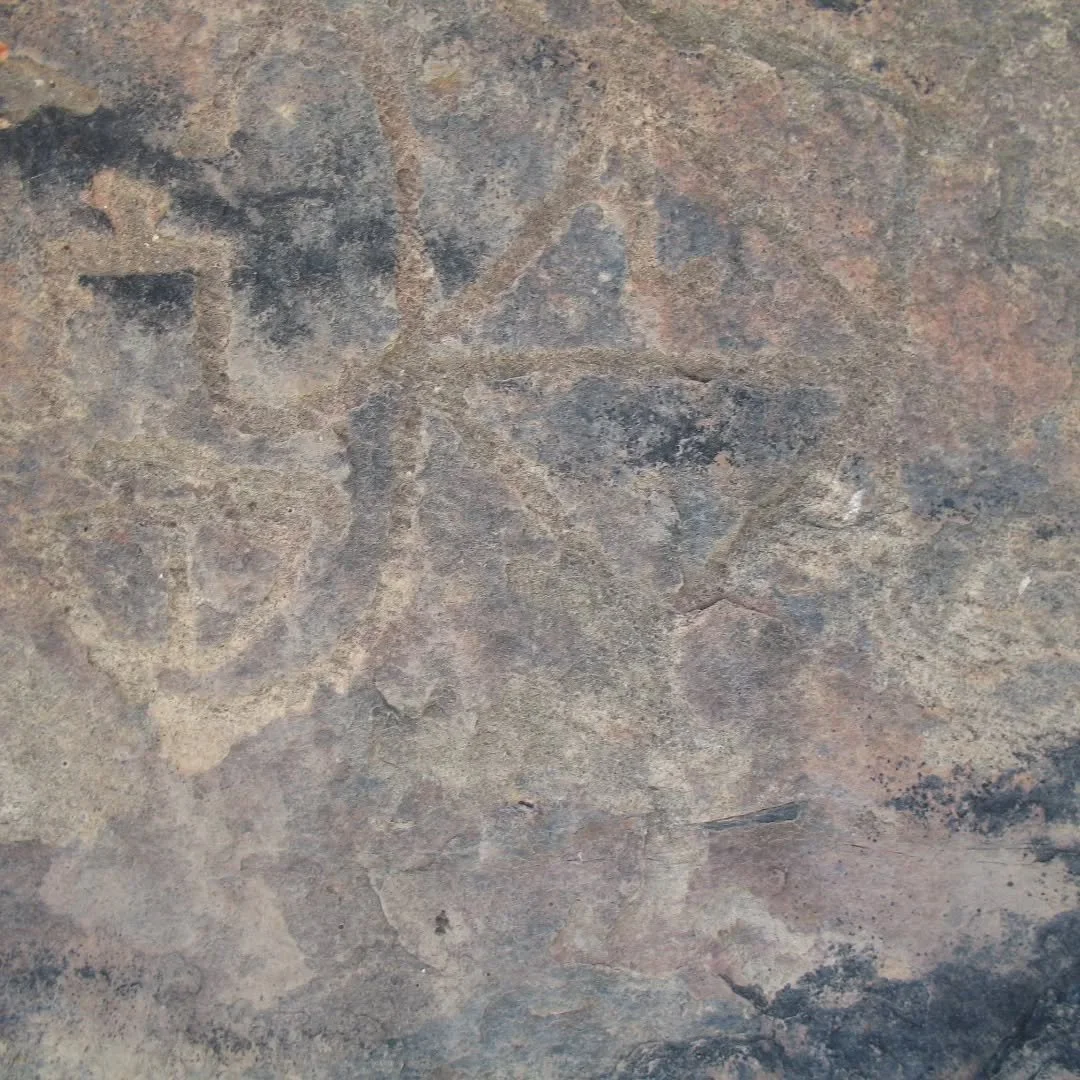
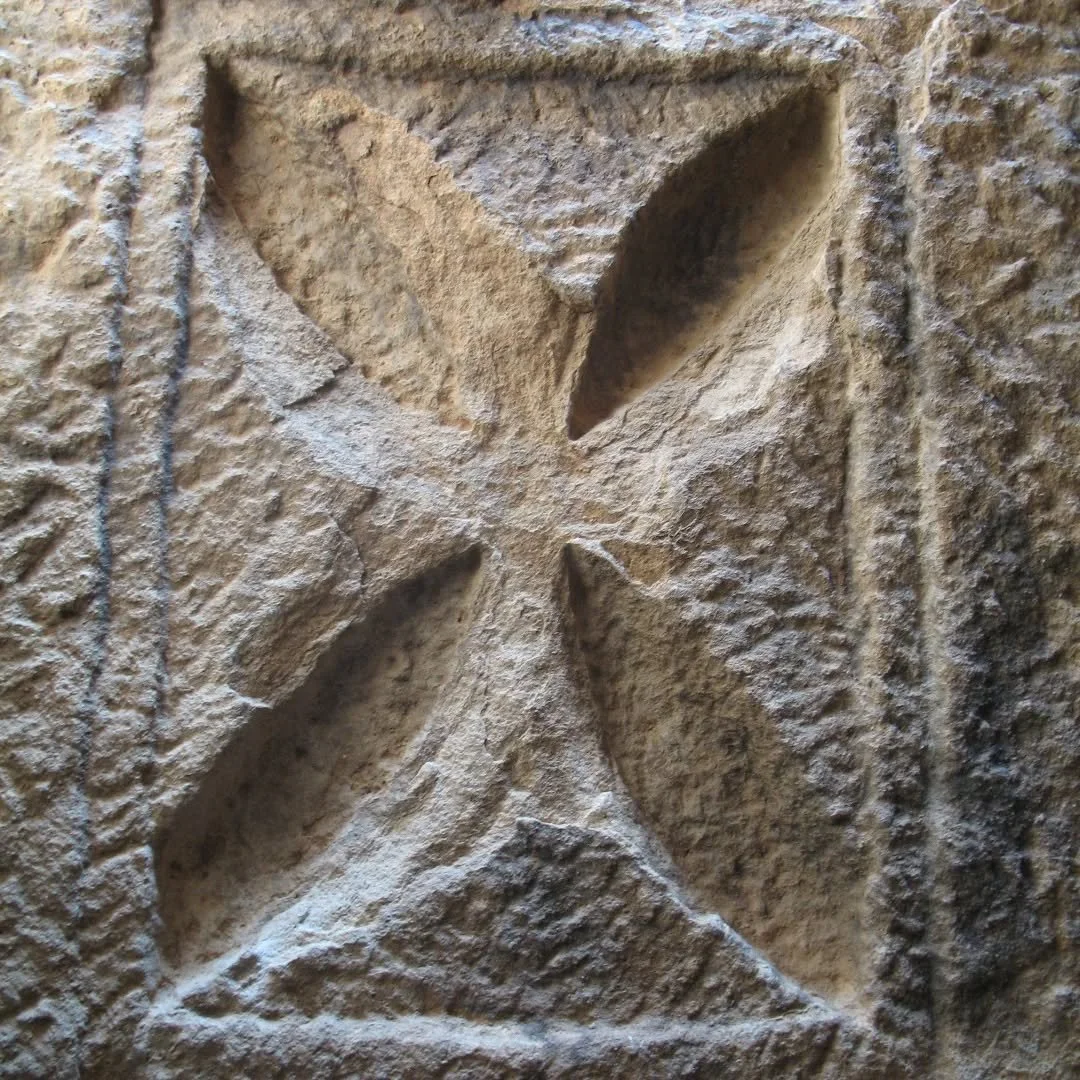
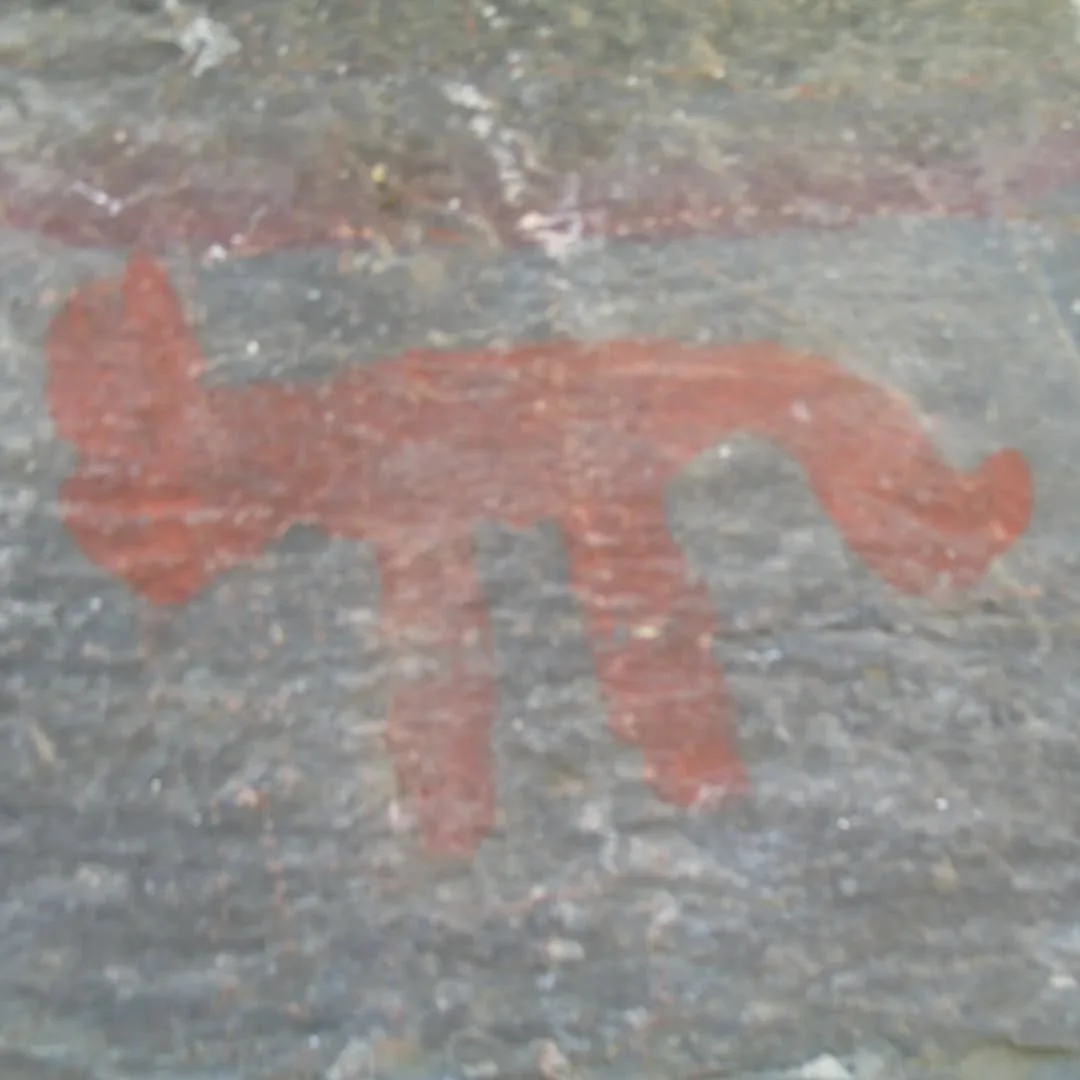
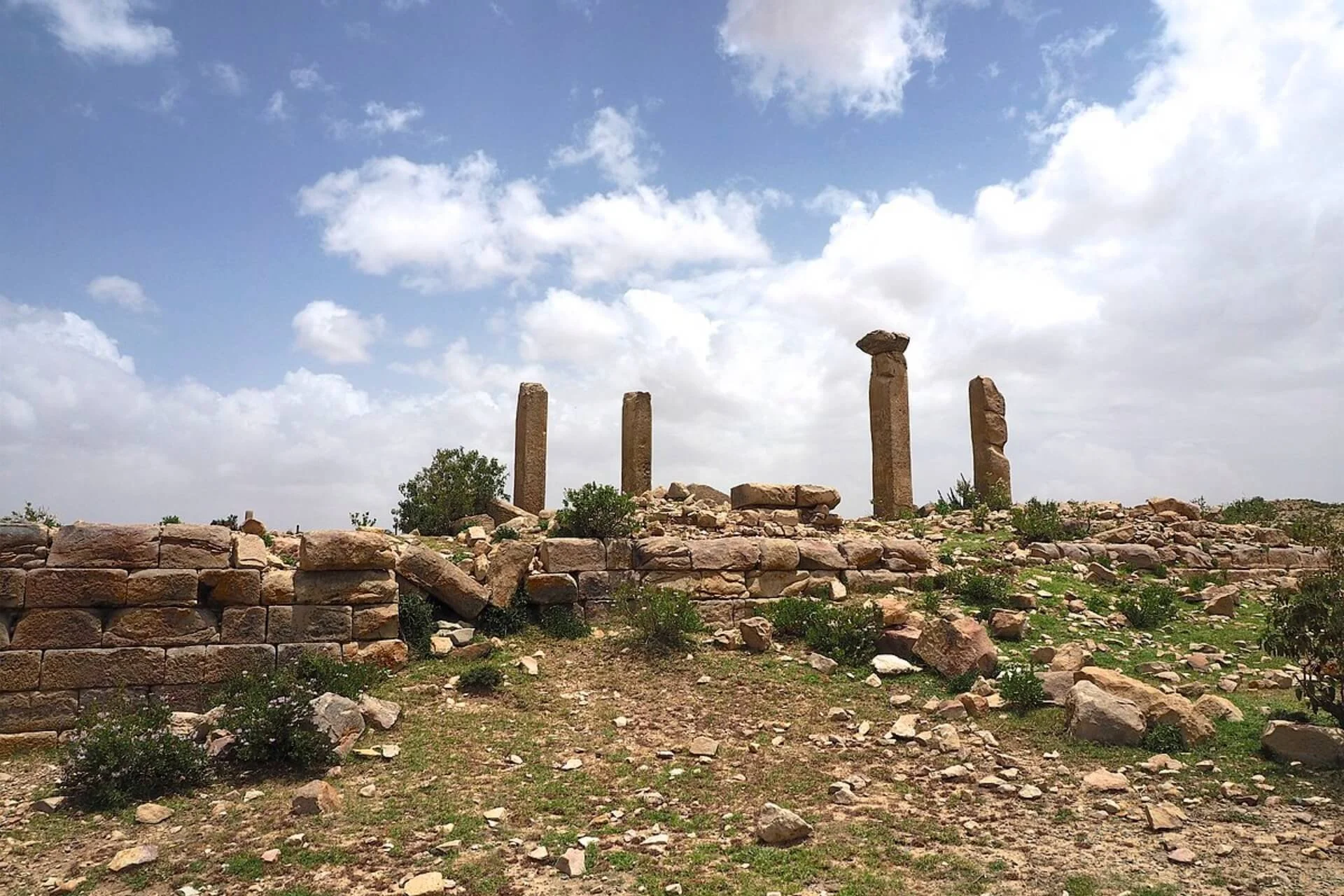
Qohaito was once a thriving city of the ancient Aksumite Empire, dating back over two thousand years. At its peak it was a significant urban centre, and the ruins that remain tell that story quietly but powerfully. Scattered across the plateau you'll find the remains of a grand temple dedicated to the goddess Mariam Wakiro, an elaborate ancient dam that still stands as an extraordinary feat of early engineering, carved rock art, and dozens of towering Aksumite stelae — the same style of monolithic obelisks found in Aksum itself across the border in Ethiopia. The site is so expansive and so well preserved that archaeologists are still uncovering its full extent.
Nature & Landscape
Qohaito sits at around 2,500 metres above sea level on the edge of a dramatic escarpment, with sweeping views down into the lowlands below. The landscape is rugged, open and deeply atmospheric — the kind of place that feels genuinely ancient the moment you arrive. The plateau is also home to troops of Hamadryas baboons, who roam freely across the ruins and surrounding cliffs.
Things to Do
Explore the ruins of the Temple of Mariam Wakiro, one of the best preserved ancient structures in the region
Walk the ancient Saphira Dam, a two thousand year old water management system still largely intact
Search for ancient rock art carved into the cliff faces across the plateau
Spot Hamadryas baboons in their natural highland habitat
Stand on the escarpment edge and take in the vast views stretching down toward the Eritrean lowlands
Ready to explore Qohaito with a local guide?
Check out our video gallery from Qohaito!
Check out our qohaito photo gallery too!